


Making choices
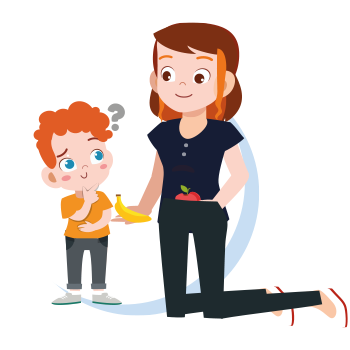
At school, children are asked and encouraged to make choices as well as communicating when they do or do not want to do something.
Being able to make their own decisions without the support of an
adult is a big part of growing up.
In Reception class, children might:
- Choose which fruit/snack they want.
- Decide what they’d like to play with.
- Decide where they’d like to play, for example, inside or outside
Top Tip
Ideas to try at home
Daily choices
Think about when you could offer choices. Start with two choices and build it up to more options as your child becomes more confident.
They could choose:
1. Their cereal bowl.
2. Between two pieces of fruit.
3. What clothes to wear.
4. Which pyjamas to wear at bedtime.
Junk modelling
Junk modelling is an easy and cheap way for children to use their imagination.
Start by keeping any household items such as cardboard rolls, cereal boxes, yoghurt pots and old birthday cards/magazines.
Let your child choose what they want to create or build. You could even brave the paints/crayons to add some colour to their
‘robot’ or ‘spaceship’.
Top Tip
Where to start
- Create an obstacle course at home using different items from around the house. You could use cushions, chairs, blankets, tape, string etc. Encourage your child to choose where they would like the things to go, what thing will come next, which items to choose, what balance or jump to do, and so on.
- Rhymes are a fun and interactive way for your child to learn to make their own choices. Why not make a set of rhyme spoons? To do this, you will need a pack of wooden spoons and some pens. Together, choose some of your child’s favourite rhymes and draw a picture on the spoon to represent it. Once your spoons are finished, start off by giving your child a choice of two rhymes. When your child is ready, you can build up the number of choices you give them. Using rhymes like Old McDonald and Wheels on the Bus also encourages your child to make choices. Throughout the rhyme you can ask them what animal they’d like on the farm or what happens next on the bus.
Things to try next
- Involve your child with making decision at home – what shall we cook for tea? Get them involved with shopping (this could also have a positive impact on mealtimes).
- Pretend café roleplay. Make a menu together with your child and pretend to serve them by asking them what they’d like to eat. Asking your child to make a choice between foods will help them decide what to eat at school. Then swap round, let your child serve you and make their own choice as to how they are going to give you that pretend food.
- Play ‘Would you rather game’. Ask your child questions like, “Would you rather have a pet lion or a pet giraffe?”, “Would you rather swim with dolphins or swim with sea lions?” There are lots of different types of questions you can ask that encourage children to make choices.
If you feel like your child needs more support…
Start with these tips below.
- If your child is finding making choices a little tricky, try giving them just two things to choose from first. Start with a choice of two things and then build it up when they are ready. E.g., “Would you like to wear this t-shirt or that t-shirt?”
- Pictures and objects. Using visual and physical objects can help a child make a choice. Again, start with two things and build it up when you feel they are ready. E.g., When making your shopping list together show your child pictures of two different types of cereal and ask them which they would to get for their breakfasts, etc.
Books
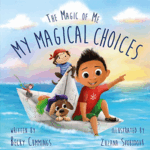
- My Magical Choices by Becky Cummings (Boundless Movement LLC., 2019)
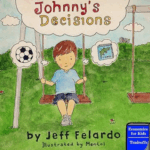
- Johnny’s Decisions by Jeff Felardo (CreateSpace, 2014)
Songs

This page is part of our Ready Steady School series, helping you and your little one get ready for school.
You might also find these other topics useful: