


Ready Steady Toilet Time

Toilet training can feel a little scary, but it doesn’t have to be. We are here to help you and your child, from your first chats about using the toilet to the time they can do it on their own.
Take it one step at a time so your child can learn at their own pace -Ready, Steady, Toilet Time.
Almost all children can learn to use the toilet in the same way. Children with SEND may need more time, support and practise. This can be challenging, but your hard work and patience will help your child every day.
Celebrate each step forward and be proud of yourself too. If you think this approach may not work for your child, please speak to your Health Visitor for further support.
We’ve put together this page of support for you and your child, from the time you start to talk about toilet training to the time your child manages toilet time all by themselves. Below, you’ll find some top tips and simple activities you can try at home.
1. Ready
chat about going to the toilet and help your child be curious about it.
You can start this as early as you want but we would recommend from 18 months.
While changing your child’s nappy talk about wees and poos, this helps make it feel normal.
Keeping an eye on your child’s bladder and bowel health is really important. They need to drink plenty of water, and eat lots of fruit and fibre to pass soft
poos and light coloured wees.
If you change wet or dirty nappies quickly your child will learn that being dry and comfortable is best.
Top Tip
2. Steady
knowing when to begin and helping your child learn the signs of needing the toilet.
At this stage your child will still be wearing nappies, but you can start by giving them some ‘nappy-free time’ each day. This will help your child feel when they are wet which will lead to them eventually learning how to hold it.
Try pick a calm time to begin, not when life feels busy or there are lots of changes. Encourage your child to sit on the toilet or potty at regular times, like after they wake up, 30 minutes after mealtimes, or when you notice they might need to go.
You’ll start to spot the signs of when they need the toilet, like hiding, squatting, or finding a quiet space.
Simple things, like putting underwear under their nappy can help them feel when they have done a wee or poo. Talking to your child when this happens will help them understand that they need to use the toilet or potty.
Top Tip
3. Toilet Time
saying goodbye to nappies and your child using the toilet on their own.
You have been getting ready and practising, you’ve all been doing a great job.
Pick a day to start wearing underwear during the day and gently let your child know that wees and poos will go in the toilet or potty from now on.
Choose clothes that are easy to pull down and up. This makes it easier for your child and helps them to feel confident that they can do it on their own.
It can sometimes feel frustrating but accidents will happen, and that’s okay – it’s all part of learning. Be their cheerleader, stay calm, use kind words, and
tell them that they will get it next time.
Lots of encouragement really helps, and praise doesn’t need to be treats. Children feel happy and proud when they can do things by themselves.
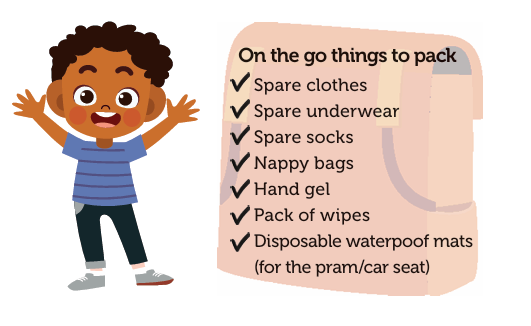
Tips for out and about
- Plan toilet or potty stops when you are out and about to help your child stay dry.
- Socks and Croc-style shoes are a good choice of footwear when toilet training. If your child has an accident, you can change their socks and wipe the shoes clean.
- A travel potty can make trips out easier. To save money, use a small potty and put a plastic bag inside it to collect wees or poos, making clean-up easier.
- Remember, you’ll only have to carry these things whilst your child is learning to use the toilet. Having a potty nearby can be a real lifesaver when they suddenly need a wee or poo.
Daytime vs nighttime toilet training
Daytime and nighttime dryness should be treated as two different stages, they are rarely achieved at the same time.
Daytime toilet training is something you can practise and learn together, but staying dry at night will happen when your child’s body and brain are ready to manage wees when they sleep. It can’t be taught or rushed.
Try using different nappies at night so they know that nappies are just for bedtime now.
Top Tip
Things to try at home
There are lots of things you can do at home to make toilet training fun. Here are some ideas for you to try.
Role play
Pretend play (role play) is a great way to show children how to do something. Putting their favourite teddy, doll or action figure on the potty or toilet and talking about what they are doing and what they need to do next helps children understand the toilet routine.
Decorate their potty
Your child will love decorating their potty with stickers to show it is theirs.
Sing a song
Sing a song! Children love to learn through song and rhyme. It can also help them to sit on the potty or toilet for a period of time before getting up.
Where to start
- Put together a toilet time bag of things to look at together to keep them sat on the toilet.
- Try sticking up a toilet routine strip of images of the different steps of going to the toilet. You can make or draw your own using this useful webpage: Toilet visual schedule (eric.org.uk)
- Share stories about going to the toilet at different times of the day. There are some suggestions of stories to share further down this page.
- Blowing bubbles – blowing out through pursed lips will make them push down the muscles in their abdomen, which will give them a similar feeling to when doing a poo.
Thing to try next
- Asking your child to tell you what come next when using the toilet.
- Independent wiping – tie two balloons together at the back of a chair to create a ‘bottom’. Give your child tissue to practice wiping in between their ‘bum cheeks’.
- Use a spray bottle to aim into the toilet. Give your child a target to hit.
How to adapt
- Keep your child busy whilst sitting on the toilet to get them used to sitting for longer periods of time. This could be done by reading/singing to them or keeping a box of their favourite things to look at in the toilet whilst sitting on the toilet.
Top Tip
Try these books


Children love these funny stories. They help them to recognise the feeling of needing a wee or a poo.
Don’t worry if you haven’t got them, visit Blackpool libraries where you can borrow a copy for free.
- I Really Really Need a Poo by Karl Newson and Duncan Beedie
- I Really Really Need a Wee by Karl Newson and Duncan Beedie
Songs
Help stop the block
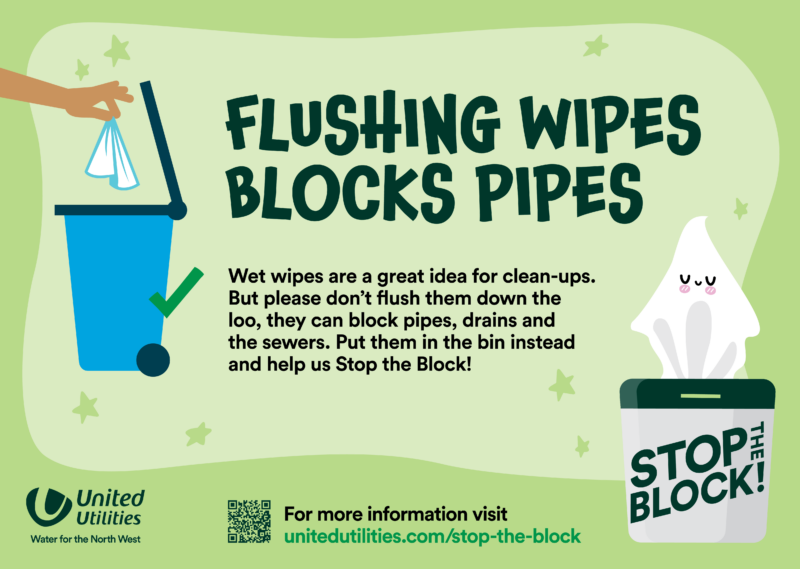
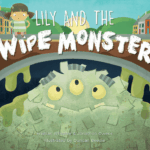 Try reading the book ‘Lily and the Wipe Monster’ to your little one or you can snuggle up and watch it with them. This fun story helps children understand why wipes shouldn’t be flushed down the toilet as you join Lily on her journey with the ‘Wipe Monster!’

This page is part of our Ready Steady School series, designed to help your little one make the most of their start to school life.
You might also find these other topics useful: